Anderson v. Stallone: The Rocky IV Story
The story behind a federal copyright case, told from the perspective of Timothy Burton Anderson.
May 3, 1983
In the spring of 1983, a young Utah lawyer named Timothy Burton Anderson walked into Paramount Studios in Los Angeles to meet Sylvester Stallone. With him was Michael Deaver, then Deputy Chief of Staff to President Ronald Reagan. The subject was a 52-page treatment Anderson had written for the next Rocky film.
The meeting followed months of conversations, including meetings late in 1982 with the leadership of MGM/United Artists: board member Art Linkletter, chairman Frank Rothman and president Freddie Fields.
What Happened Next
Rocky IV was released in 1985, pitting Rocky Balboa against a Soviet fighter in a story of East against West.
Anderson believed the film drew on his work. In 1987 he sued Stallone, MGM/UA and several studio executives in federal court in Los Angeles.
How It Ended
Anderson appealed. The case was settled confidentially while the appeal was pending, and he assigned his rights in the work to Stallone and MGM/UA.
In all, the dispute ran about six years, with many hearings and more than twenty depositions.
The Court's Decision
In April 1989, Judge William D. Keller of the U.S. District Court for the Central District of California granted summary judgment to the defendants on Anderson’s copyright infringement claim and certain related claims. The ruling turned on a point that has made the case a standard teaching example ever since.
Anderson’s treatment used Rocky, Apollo Creed, Adrian and the other characters from the earlier films. The court held that those characters were developed so fully that they were protected expression belonging to Stallone. A work built on them without permission was an unauthorized derivative work, and the court concluded that Anderson could not claim copyright protection for the treatment.
The court also found that the finished film was not substantially similar to the treatment in its protectable expression. The overlap came from the earlier films and from broad ideas like an East-West rivalry, which no one can own.

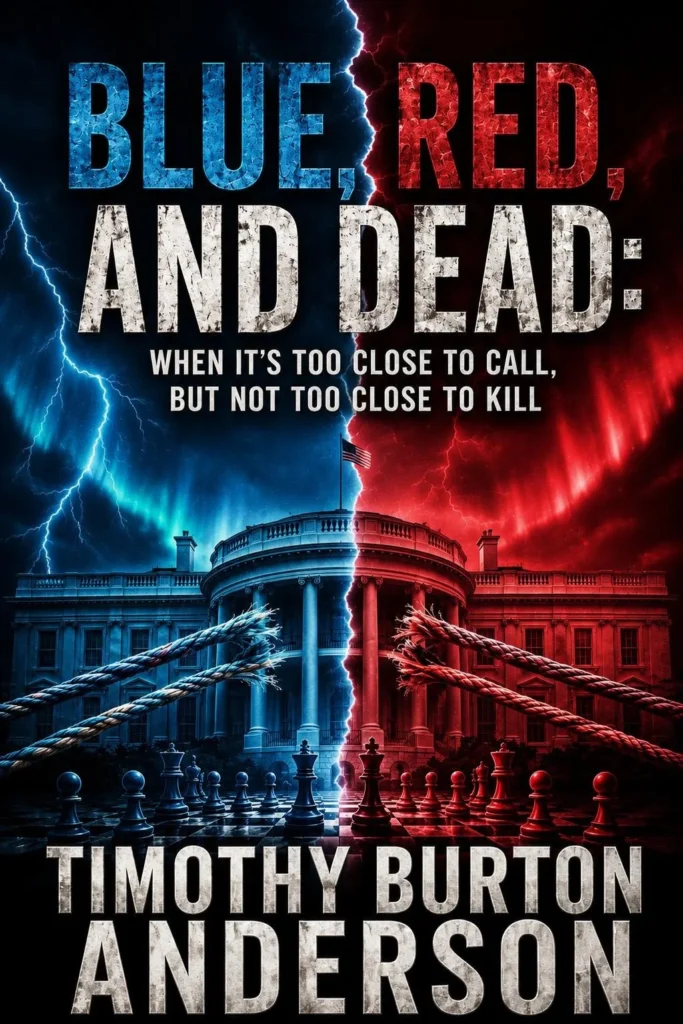
Blue, Red, and Dead
A presidential election reaches a constitutional breaking point when the Electoral College cannot produce the required majority and the outcome of a major state hangs in uncertainty.
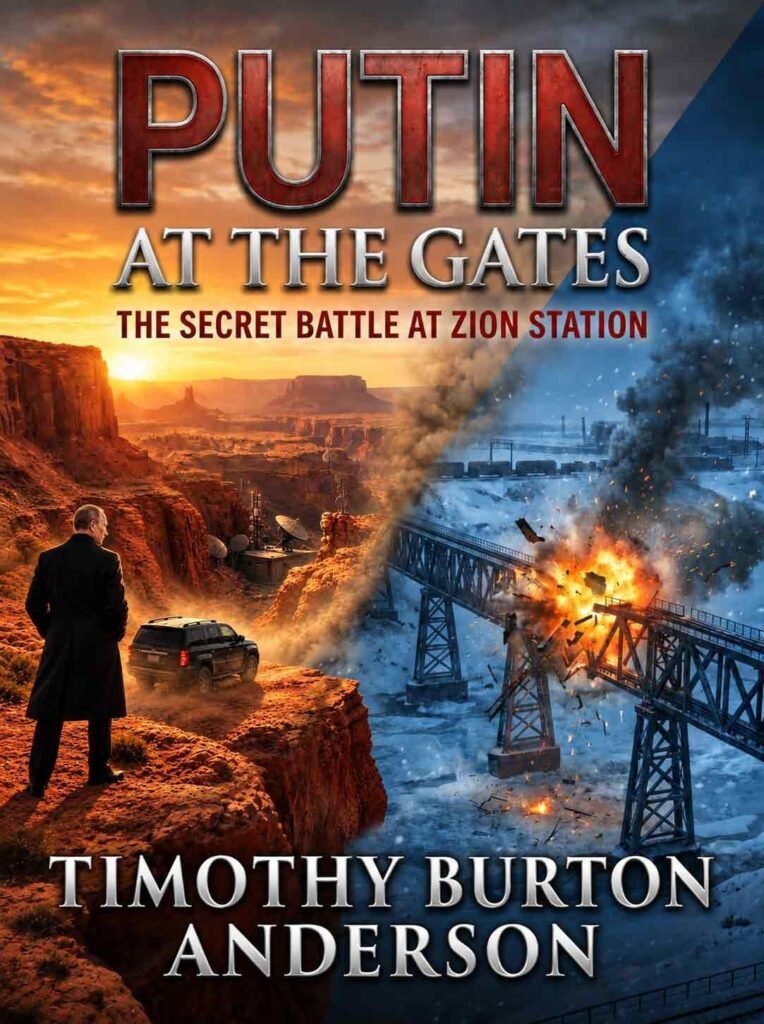
Putin At The Gates
A geopolitical suspense thriller in the tradition of the great Cold War espionage novel.
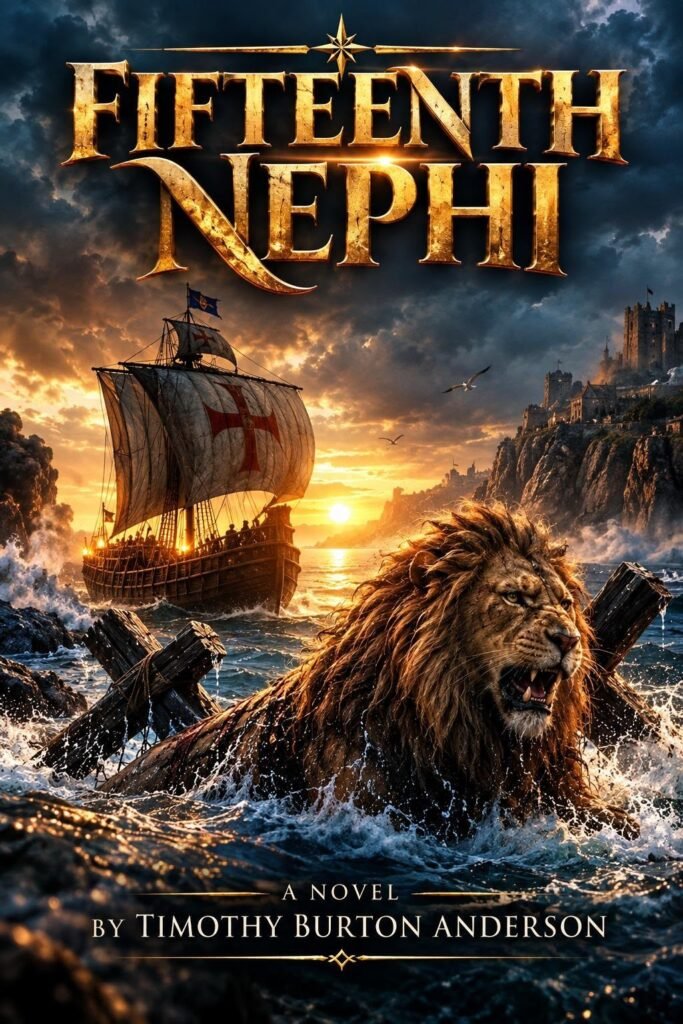
Fifteenth Nephi
Get ready for a the most powerful, historic action – suspense thriller of the Middle Ages, a story you will think about for the rest of your life.